Hey everyone! Let’s cut to the chase: as an Aluminum Alloy Platform supplier, I get asked all the time, “Can your stuff actually hold up in a power plant?” It’s not like these places are your average warehouse or retail space—they’re hot, dusty, often damp, and dealing with massive, high-stakes machinery. Spoiler alert: yes, aluminum alloy platforms work way better than a lot of people think, and I’ve got the real-world (not textbook-only) tea to back that up. Aluminium Alloy Platform

First, let’s talk about what power plants actually need from their platforms. If you’re walking around a coal-fired plant checking boiler tubes, climbing on top of a gas turbine for routine maintenance, or getting up close to a hydroelectric dam’s penstocks, you need something that’s light enough to haul around without needing a crane every time, strong enough to hold heavy tools (and sometimes a tech in big gear) without bending, and can survive 24/7 exposure to crap like extreme heat, moisture, and even mild chemicals from emissions treatments. Steel’s the go-to for old-school plants, but steel’s heavy, rusts like crazy, and those extra pounds add up fast when you’re retrofitting a platform or working in a spot where you can’t reinforce the floor beneath. That’s where aluminum alloy steps in.
Wait, I know what some folks are thinking—“aluminum’s soft, right? Will it hold up to a power plant’s beatings?” Nah, not when we’re talking about aircraft-grade or marine-grade aluminum alloys. The stuff we supply (I’m not naming the exact alloy here, just saying it’s engineered for heavy-duty use) has a tensile strength that’s comparable to mild steel, but it’s like 1/3 the weight. Let’s put that in perspective: a steel platform for a turbine access point might weigh 200 lbs, but our equivalent is 65 lbs. That means our techs or maintenance teams can carry it up stairs (or even lift it to a narrow ledge) themselves, no extra manpower needed. Plus, we add a non-slip coating that’s specifically formulated to stand up to oil, hydraulic fluid, and even residual coal dust—no more slipping on greasy steel when you’re 50 feet up, which is a huge safety win for plants that have to follow OSHA rules super tight.
Now, let’s get into the real test: power plant environments. Take thermal power plants first—they’re the old guard, running on coal or natural gas, and they have spots where metal can get hot enough to warp, or where humidity mixes with sulfur dioxide to make that acidic goop that eats through regular steel. Our aluminum alloy doesn’t corrode anywhere near as bad as steel, even when exposed to those acidic compounds. We had a client a couple years back at a midwestern coal plant who’d been using steel platforms that rusted through in 3 years; they switched to ours in 2020, and when they did their last inspection in 2023, the alloy platforms looked almost new—no pitting, no flaking, just a tiny bit of patina (that’s the protective oxide layer, by the way, not damage). And for hot zones? The alloy stays stable at temperatures up to like 300°C, which is way higher than most platform areas in power plants operate at. We do keep a safe distance from actual furnaces or turbine exhaust pipes, obviously—we don’t recommend putting our stuff directly in a 500°C flame—but for the access areas, catwalks, and maintenance platforms within a few feet of heat sources? Perfectly fine.
What about other types of plants, like nuclear or hydroelectric? Nuclear plants have even stricter rules about radiation resistance, and aluminum’s way less likely to activate (get radioactive) when exposed to low-level radiation over time compared to steel. That’s a big one—you don’t want your platform becoming a radioactive hazard just from being around the reactor. And hydro plants, where they’re constantly dealing with water, high humidity, and even salt air if they’re near a coastal dam? Our alloy’s marine-grade, so it resists saltwater corrosion way better than regular steel or even stainless steel (stainless can get crevice corrosion in tight spots, but our alloy’s treated to prevent that). We had a hydro client in the Pacific Northwest who was replacing wooden platforms that rotted every 5 years; they went with our aluminum platforms, and now their maintenance teams don’t have to shut down parts of the dam to replace rotting wood—big cost saver.
Wait, but let’s address the elephant in the room: cost. A lot of plant managers look at aluminum and go, “That’s more expensive upfront, right?” Yeah, it is, but let’s do the math. Steel platforms need regular maintenance: painting, sanding to remove rust, replacing sections that corrode. Over 10 years, that adds up to like 2-3 times the initial cost of an aluminum platform. Plus, our stuff has a longer lifespan—we warranty our platforms for 15 years, sometimes more, if they’re maintained properly. And the weight savings? When you’re retrofitting a power plant that was built in the 1970s, a lot of the structural floors can’t handle the extra load of steel. Our lighter platforms mean you don’t have to reinforce the floor, which cuts down on construction time and cost by a ton. No more tearing up concrete to add steel support beams—just drop our platforms in, and you’re good to go.
I also want to talk about safety, because that’s non-negotiable in power plants. Non-slip surfaces are a given, but our aluminum platforms are also designed with edge guards that are lighter than steel ones, so they don’t add extra load, and they’re visible—we use a powder coat that’s bright yellow or safety orange, so even in dusty, low-light plant floors, you can see the edge of the platform before you step off. Also, our platforms are pre-assembled, so installation is super fast. A lot of power plant maintenance shutdowns are scheduled, and you can’t waste days waiting for steel platforms to be welded and painted. Our teams can get a custom platform fabricated in a week, delivered, and installed in a day—no disrupting the plant’s operations longer than necessary.
Look, I’m not here to say aluminum alloy platforms fix every power plant problem. If you’re putting a platform directly in a furnace or right next to a jet engine exhaust, that’s not our call—we stick to the access and maintenance areas. But for 90% of the platform needs in a power plant, aluminum is a no-brainer. I’ve seen too many clients make the switch and save money, cut down on maintenance, and make their techs safer.
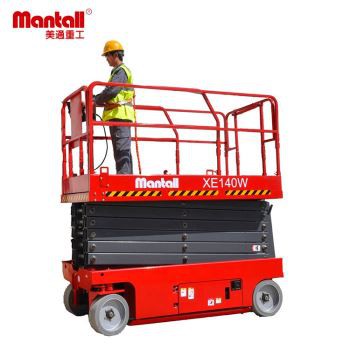
At the end of the day, power plants are all about reliability and efficiency. If your platform is going to hold up, not cost you a fortune in repairs, and keep your workers safe, aluminum alloy is the way to go. If you’re a power plant manager or maintenance lead tired of dealing with rusted steel, heavy retrofits, and constant repairs, hit me up to talk through your specific needs. We can send over samples, share real client case studies, and put together a custom quote that fits your plant’s layout and budget. Don’t guess on your next platform choice—work with someone who actually knows what power plants need, not just a sales rep who read a textbook.
Aluminium Alloy Platform References:
- National Institute of Occupational Safety and Health (NIOSH). (2021). Aluminum Alloys for Industrial Platforms: Corrosion Resistance and Weight Advantages in Harsh Environments.
- International Association of Power Plants and Conversion (IAPPC). (2022). Retrofit Solutions for Power Plant Access Structures: A Comparative Analysis of Aluminum vs. Steel Platforms.
- Marine Technology Society. (2020). Corrosion Performance of Marine-Grade Aluminum Alloys in Hydroelectric and Coastal Power Plant Settings.
Mantall Heavy Industry Co., Ltd.
Mantall Heavy Industry Co., Ltd. is well-known as one of the leading aluminium alloy platform manufacturers and suppliers in China, featured by quality products and good service. Welcome to buy discount aluminium alloy platform made in China here from our factory. For pricelist and quotation, contact us now.
Address: NO.62, Binhai Avenue, Binhai Industrial Park, Qidong City, Jiangsu Province, China
E-mail: Gloria@mantall.com
WebSite: https://www.mantallawp.com/
