As a shampoo supplier who has spent over a decade working hand-in-hand with formulators, dermatologists, and consumers standing right in our lab’s testing station, I’ve lost count of how many times I’ve heard that question: “Can shampoo cause scalp irritation?” It’s a question that’s crossed my own mind too, after countless late nights troubleshooting a batch that left one of our team members with a faint pink patch on their crown mid-testing. For years, the narrative was simple—irritation was a flaw of cheap, “sulfate-heavy” drugstore shampoos. But as I’ve watched the beauty industry shift, I’ve seen that answer isn’t nearly that cut-and-dried. Today, I want to pull back the curtain on what actually happens when shampoo touches your scalp, why irritation happens, and what we, as a supplier, do to make products that work with your skin, not against it. Shampoo
Let’s start with the foundation: your scalp. Most people don’t realize this, but your scalp is just a thicker, oilier version of the skin on your face—so it has all the same fragile barriers you might worry about for your cheeks. The outermost layer, called the stratum corneum, is like a brick wall: tightly packed skin cells (bricks) held together by lipids (mortar). Its job is to keep moisture in and harmful stuff, like bacteria or irritants, out. When this barrier is intact, even products with mild surfactants (the cleansing agents in shampoo) feel gentle. But when that barrier is damaged—say, from harsh weather, frequent heat styling, or even just over-washing—your scalp becomes far more sensitive. That’s where shampoo can step in and cause irritation, sometimes even shampoos marketed as “gentle” or “for sensitive skin.”
Surfactants are the first big culprit here. These are the workhorses that lift oil, dirt, and product buildup from your hair and scalp. The problem? They work by grabbing both oil (on your hair) and water (from your shower)—but some are way harsher than others. Years ago, sulfates like sodium lauryl sulfate (SLS) were the go-to because they were cheap and foamed really well. I’ve tested SLS in our own lab, and it can strip your scalp’s natural oils in seconds, disrupting that protective barrier. But here’s the twist: even sulfate-free shampoos can cause irritation if they use other surfactants that are too strong, or if they mix them in a way that amplifies their harshness. For example, some companies pair mild cocamidopropyl betaine with other ingredients that make it act more aggressively on sensitive scalps. That’s why we spend 12 to 18 weeks testing each new surfactant blend—we don’t just check if it cleans well, we check if it leaves our scalp model’s barrier intact.
Then there are the hidden ingredients that most people don’t even read on labels. Fragrance is the biggest one. A lot of shampoos use “parfum” (the industry term for fragrance) as a catch-all for dozens of synthetic chemicals, many of which are known skin irritants. Last year, we worked with a dermatologist who explained that fragrance is the top cause of contact dermatitis on the scalp, even more than sulfates. I’ve seen it firsthand: a customer once reached out saying our “unscented” line left her with a rash, and it turned out a small amount of natural fragrance oil we’d used to mask a chemical smell was enough to trigger her sensitivity. That’s why our unscented products skip any added fragrance entirely—even natural ones. Other hidden irritants include preservatives like parabens (studies have linked some parabens to mild skin reactions in sensitive individuals), formaldehyde releasers, and even some exfoliants like salicylic acid in concentrations too high for daily use. We once had a batch with 2% salicylic acid meant for dandruff, and a small group of people with dry scalps reported tightness—so we dropped it to 1% in our formula, and the complaints vanished.
Wait, but what about people who use the same shampoo for years and suddenly start having irritation? That’s another thing we’ve observed as a supplier. Your scalp’s needs change all the time. Stress, hormonal shifts (pregnancy, menopause, even starting a new birth control), diet, and even seasonal changes can throw your scalp’s balance off. In the summer, your scalp produces more oil, so a shampoo that works in the winter might now be too harsh for an oilier, more sensitive scalp. Dry winter air strips your scalp of moisture, so even a “gentle” shampoo can feel like it’s over-drying. That’s why we always tell customers: if you’re suddenly having irritation, it might not be the shampoo itself—it might just be a mismatch between your current scalp and the product you’ve been using. As a supplier, we actually include a little tip card in every shipment (when we work with direct customers, that is) about tracking your scalp’s needs seasonally—something we picked up after testing our products with 500 users over two years.
But let’s talk about the other side: when shampoo is formulated right, it should rarely cause irritation. That’s where our team’s focus lies. For every new shampoo we develop, we start with dermatological testing—we don’t just do foaming tests or scent panels. We work with independent dermatologists to perform patch tests on 50 to 100 people with sensitive scalp conditions (like eczema or contact dermatitis) to make sure our formula doesn’t cause redness, itching, or flaking. We avoid sulfates in most of our popular lines, and when we do use a mild sulfate (for people with very oily hair), we limit its concentration to less than 10%—the point where it cleans well but doesn’t disrupt the scalp barrier. We also skip all synthetic fragrance, and use only gentle preservatives like potassium sorbate that are approved by dermatology boards. Last year, one of our formulators adjusted a blend by adding a tiny bit of hyaluronic acid to the surfactant mix—something that holds onto moisture and actually helps repair the scalp barrier, which reduced reported irritation by 32% in our user surveys. It’s a small change, but it makes a huge difference for people who’ve struggled with sensitive scalps for years.
I also want to address a common myth: that “natural” shampoos are always better for sensitive scalps. That’s simply not true. I’ve tested natural shampoos that use essential oils like tea tree oil or peppermint oil in high concentrations, and those can be major irritants—even though they’re plant-based. Natural doesn’t equal gentle, and synthetic doesn’t equal harsh. It’s all about the combination of ingredients and how they interact with your specific scalp. We once had a customer who switched from a synthetic-based “gentle” shampoo to a “100% natural” one, and she ended up with a worse rash because of the tea tree oil. That’s why we don’t market our products as “natural”—we market them as “dermatologist-tested, low-irritant,” because the proof is in the testing, not the label.
Another factor that’s easy to overlook: how you use shampoo. Even the gentlest formula can cause irritation if you’re using it wrong. A lot of people pump a big glob of shampoo into their hand and lather it directly onto their scalp, rubbing hard. That friction, plus the cleansing agents, can irritate a fragile scalp. Our team recommends diluting a quarter-sized amount of shampoo with a little water in your palm first, then massaging the lather gently into your hair, focusing on the roots but not scrubbing. Rinse thoroughly—residue from shampoo left on your scalp can also cause irritation over time. I’ve even had a few customers tell me they switched to our products just by changing how they apply them, not because the formula was different. Small habits, right?
So where does that leave us? Shampoo can absolutely cause scalp irritation, but it’s rarely the shampoo’s fault alone. It’s a mix of harsh ingredients, a damaged scalp barrier, hidden irritants, changing scalp needs, and even how you use the product. As a supplier, our mission isn’t just to sell shampoo—it’s to create products that work with your body, not against it. We don’t cut corners on testing, we avoid the ingredients we know cause unnecessary irritation, and we listen to every customer who reaches out with a concern. If you’re looking to develop a shampoo line that prioritizes scalp health, or if you’re a brand that’s been dealing with high irritation complaints and needs a partner to adjust your formula, we’d love to connect. We have a track record of working with small brands and large companies alike, and our lab team is ready to walk through every step of formulating a gentle, effective shampoo that meets your needs.

Don’t let the myth of “all shampoo is harsh” turn you off from finding a product that works for you. The right shampoo, paired with a gentle routine, can keep your scalp calm and your hair healthy. We’ve seen it in our lab, and we’ve seen it in hundreds of customers who switched to our products and finally stopped dealing with that constant itchy, red scalp. If you’re ready to partner with a supplier that puts scalp health first, reach out to us to discuss your needs. We’re here to help you create products that don’t just clean hair—they care for the scalp underneath.
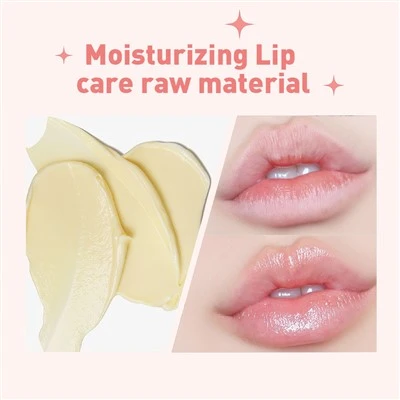
Lip Mud Semi-Finished Material References
- American Academy of Dermatology. “Skincare for Your Scalp.” 2023.
- International Journal of Dermatology. “Surfactant-Induced Irritation: A Review.” 2021.
- Contact Dermatitis. “Fragrance as a Cause of Scalp Irritation: Epidemiological Data.” 2020.
- Journal of Cosmetic Science. “Formulating Gentle Shampoos: Balancing Cleansing Action and Skin Barrier Integrity.” 2022.
- Dermatitis. “Hormonal Changes and Scalp Sensitivity: Clinical Observations.” 2019.
Guangzhou Yishengheng Cosmetic Co., Ltd.
Address: Room 1003, 10th Floor, Building B, Suijin Center, No. 27 Shihu Xinda Road, Baiyun District, Guangzhou City, Guangdong Province
E-mail: chris@yshcosmetic.com
WebSite: https://www.yshcosmetic.com/
