Can industrial filter elements be used in a sterile environment?
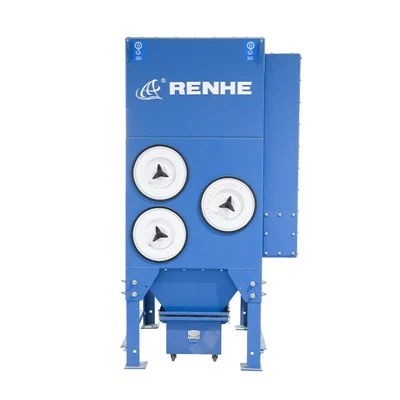
In the realm of industrial operations, the question of whether industrial filter elements can be employed in a sterile environment is both crucial and complex. As a supplier of industrial filter elements, I’ve encountered numerous inquiries from clients across various sectors, each seeking clarity on this very topic. In this blog post, I aim to delve into the intricacies of this matter, exploring the capabilities, limitations, and considerations associated with using industrial filter elements in sterile settings. Industrial Filter Elements
Understanding Sterile Environments
Before we can assess the suitability of industrial filter elements for sterile environments, it’s essential to understand what a sterile environment entails. A sterile environment is one that is free from microorganisms, including bacteria, viruses, and fungi. These environments are typically required in industries such as pharmaceuticals, biotechnology, food and beverage, and medical device manufacturing, where contamination can have severe consequences for product quality, safety, and efficacy.
To maintain sterility, these industries implement strict protocols and use specialized equipment, including air filtration systems, to remove particulate matter and microorganisms from the air. The air filtration systems in these environments typically consist of high-efficiency particulate air (HEPA) filters or ultra-low penetration air (ULPA) filters, which are designed to capture particles as small as 0.3 microns with a high degree of efficiency.
The Role of Industrial Filter Elements
Industrial filter elements play a vital role in a wide range of applications, including air and gas filtration, liquid filtration, and oil filtration. These filter elements are designed to remove contaminants from fluids and gases, improving the quality and performance of industrial processes. They are available in various types, including particulate filters, activated carbon filters, and membrane filters, each with its own unique properties and applications.
In many industrial settings, the primary goal of filtration is to remove particulate matter and other contaminants to protect equipment, improve product quality, and ensure compliance with regulatory standards. However, in sterile environments, the requirements for filtration are much more stringent. In addition to removing particulate matter, the filters must also be able to remove microorganisms and prevent their growth and reproduction.
Can Industrial Filter Elements Meet the Requirements of Sterile Environments?
The answer to this question depends on several factors, including the type of filter element, its construction materials, and its filtration efficiency. While some industrial filter elements may be suitable for use in sterile environments, others may not meet the stringent requirements for microbiological control.
Filter Type and Construction
The type of filter element used in a sterile environment is critical. HEPA and ULPA filters are commonly used in these settings because they are designed to capture particles as small as 0.3 microns with a high degree of efficiency. These filters are typically made of glass fibers or synthetic materials and are constructed in a way that ensures maximum filtration efficiency.
In addition to the filter type, the construction materials used in the filter element are also important. The materials must be compatible with the fluids and gases being filtered and must not release any contaminants or particles that could compromise the sterility of the environment. For example, in pharmaceutical manufacturing, the filter elements must be made of materials that are approved by regulatory agencies such as the U.S. Food and Drug Administration (FDA) and the European Medicines Agency (EMA).
Filtration Efficiency
The filtration efficiency of the filter element is another crucial factor to consider when using it in a sterile environment. The filter must be able to remove not only particulate matter but also microorganisms with a high degree of efficiency. The efficiency of a filter is typically measured by its beta ratio, which is the ratio of the number of particles upstream of the filter to the number of particles downstream of the filter.
In sterile environments, filters with a high beta ratio are required to ensure that the environment remains free from microorganisms. For example, in pharmaceutical manufacturing, filters with a beta ratio of at least 1000:1 are typically used to ensure that the sterility of the product is maintained.
Microbiological Control
In addition to filtration efficiency, the filter element must also be able to prevent the growth and reproduction of microorganisms. This is typically achieved through the use of antimicrobial agents or coatings on the filter surface. These agents can inhibit the growth of bacteria, fungi, and viruses, reducing the risk of contamination in the environment.
However, it’s important to note that the use of antimicrobial agents and coatings must be carefully considered, as they can have potential environmental and health impacts. In addition, the effectiveness of these agents can vary depending on the type of microorganism and the operating conditions of the filter.
Considerations for Using Industrial Filter Elements in Sterile Environments
When considering the use of industrial filter elements in sterile environments, there are several important factors to keep in mind. These include:
Regulatory Compliance
In many industries, the use of filter elements in sterile environments is subject to strict regulatory requirements. For example, in the pharmaceutical industry, the filter elements used in the manufacturing process must be validated and approved by regulatory agencies such as the FDA and the EMA. Failure to comply with these regulations can result in significant fines and legal consequences.
Maintenance and Monitoring
To ensure the effectiveness of the filter elements in a sterile environment, regular maintenance and monitoring are essential. This includes replacing the filter elements at regular intervals, monitoring the pressure drop across the filter, and conducting microbiological testing to ensure that the environment remains free from contamination.
Compatibility with Other Equipment
The filter elements must be compatible with the other equipment in the sterile environment, including the air handling systems, pumps, and valves. Incompatible equipment can lead to leaks, pressure drops, and other issues that can compromise the effectiveness of the filtration system.
Cost
The cost of the filter elements and the associated maintenance and monitoring can be a significant factor in the decision to use industrial filter elements in a sterile environment. While high-quality filter elements may be more expensive upfront, they can provide long-term cost savings by reducing the risk of contamination and improving the efficiency of the industrial processes.
Conclusion
In conclusion, while some industrial filter elements can be used in sterile environments, the suitability of these filters depends on several factors, including the type of filter element, its construction materials, its filtration efficiency, and its ability to prevent the growth and reproduction of microorganisms. When considering the use of industrial filter elements in a sterile environment, it’s important to carefully evaluate these factors and ensure that the filters meet the stringent requirements for microbiological control.
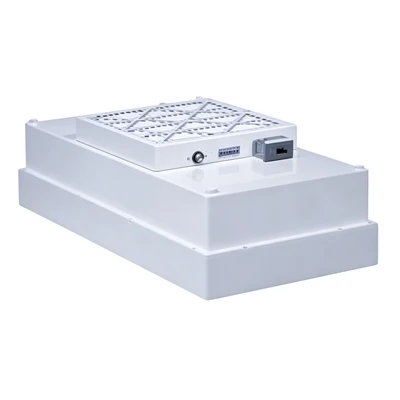
As a supplier of industrial filter elements, I understand the importance of providing high-quality products that meet the specific needs of our customers. We offer a wide range of filter elements that are designed to meet the requirements of sterile environments, including HEPA and ULPA filters, membrane filters, and activated carbon filters. Our team of experts can provide guidance and support to help you select the right filter elements for your application and ensure their proper installation and maintenance.
Gas Turbine Filtersa If you’re interested in learning more about our industrial filter elements and how they can be used in sterile environments, please don’t hesitate to contact us. We’d be happy to discuss your specific needs and provide you with a customized solution.
References
- "Good Manufacturing Practice for Medical Devices" – International Organization for Standardization (ISO)
- "Pharmaceutical GMP Guide" – U.S. Food and Drug Administration (FDA)
- "Filtration Handbook" – Pall Corporation
- "Microbiology of Air and Water" – American Society for Microbiology (ASM)
Jiangsu Renhe Energy Saving Technology Co., Ltd.
As one of the most professional industrial filter elements manufacturers and suppliers in China, we also accept customized order. We warmly welcome you to wholesale durable industrial filter elements in stock here from our factory. If you have any enquiry about quotation, please feel free to email us.
Address: No. 358 Nanyuan Road, Tangqiao Town, Zhangjiagang City
E-mail: oversea@rhfilter.com
WebSite: https://www.rhccafenv.com/
