As a supplier of Textilene fabrics, I’ve been frequently asked about how these remarkable materials perform in cold weather. In this blog, I’ll share in – depth insights based on our extensive experience and the latest research in the textile field. Textilene Fabrics
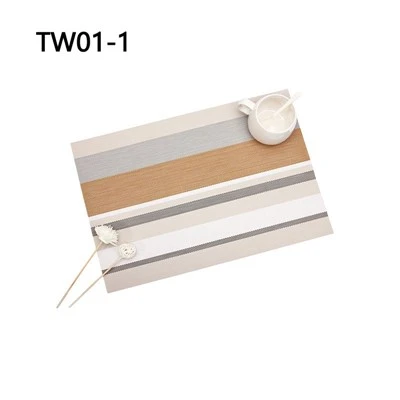
Understanding Textilene Fabrics
Textilene fabrics are a common sight in outdoor settings. They are typically made from polyester, which is woven into a mesh – like structure. This construction gives Textilene unique properties, such as high breathability, resistance to mildew, and good durability. Given its popularity for patio furniture, awnings, and other outdoor applications, it’s crucial to evaluate how it stands up to cold weather.
Cold – Weather Performance of Textilene Fabrics
1. Physical Properties in Cold Conditions
- Stiffness: One of the first noticeable changes in Textilene fabrics when exposed to cold temperatures is an increase in stiffness. Polyester is a synthetic polymer, and like many polymers, its molecular mobility decreases as the temperature drops. This reduction in molecular movement causes the fabric to become less flexible. For instance, a Textilene – covered chair that is very comfortable to sit on in mild weather may seem a bit stiffer in cold winter months. However, this stiffness is usually reversible. Once the fabric warms up, it regains its original flexibility.
- Tensile Strength: Cold weather generally has a positive impact on the short – term tensile strength of Textilene fabrics. As the molecules in the polyester fibers pack more closely together in the cold, the fabric can withstand greater pulling forces for a brief period. But it’s important to note that repeated exposure to extreme cold and rapid temperature changes can gradually cause microscopic damage to the fibers, potentially weakening the long – term tensile strength.
2. Resistance to Low – Temperature Damage
- Frost and Ice: Textilene fabrics have a good resistance to frost and ice formation. The mesh structure of the fabric allows moisture to pass through easily, reducing the likelihood of water pooling and freezing on the surface. Compared to solid fabrics, which may crack or become brittle when ice forms on them, Textilene is less prone to such damage. However, if the fabric is constantly saturated with water before a cold snap, there is still a risk of ice crystals forming within the mesh, which could cause some minor damage over time.
- Cold – Induced Cracking: Polyester, the main component of Textilene, has a relatively low glass transition temperature. This means that it can remain flexible and resistant to cracking at relatively low temperatures compared to some other materials. In most normal cold – weather scenarios, Textilene fabrics will not crack. But in extremely cold environments, say below – 20°C, there is an increased risk of the fabric becoming brittle and cracking, especially if it is under stress or has pre – existing damage.
3. Color and Appearance
- Color Fastness: Cold weather has minimal impact on the color fastness of Textilene fabrics. High – quality Textilene is dyed using advanced techniques that ensure the color remains stable even in varying environmental conditions. The cold does not typically cause the colors to fade or bleed, so your outdoor furniture or awnings will maintain their vibrant appearance throughout the winter.
Practical Implications for Consumers
1. Outdoor Furniture
- If you have Textilene – covered outdoor furniture, you can leave it outside during the winter in most temperate climates. However, it’s a good idea to cover the furniture with a waterproof tarp to protect it from excessive moisture and debris. In areas with extremely cold winters, you may want to store the furniture indoors if possible to avoid long – term exposure to sub – zero temperatures.
- When using the furniture in cold weather, be aware of its increased stiffness. It might not be as comfortable immediately, but warming up the fabric slightly (for example, by sitting on it for a while) can help.
2. Awnings and Canopies
- Textilene awnings are a great choice for cold – weather regions. Their ability to shed water and resist ice formation means they can continue to provide protection even in winter. However, in areas with heavy snowfall, it’s important to remove the snow from the awning regularly. The weight of the snow can put stress on the fabric and its supporting structure, and if left unchecked, it could cause damage.
Caring for Textilene Fabrics in Cold Weather
1. Pre – Winter Preparation
- Before the cold weather sets in, give your Textilene fabrics a thorough cleaning. Remove any dirt, grime, or stains using a mild detergent and water. This helps prevent the dirt from becoming ingrained and potentially causing damage during the winter months.
- Check the fabrics for any signs of wear or tear, such as loose threads or small holes. Repair these issues promptly to prevent them from getting worse in the cold.
2. During Winter
- As mentioned earlier, protecting the fabrics from excessive moisture is key. If the fabric gets wet during a cold spell, try to dry it as soon as possible to prevent ice formation. You can use a soft cloth to wipe off the excess water or, if the fabric is large, consider using a fan to speed up the drying process.
- Avoid exposing the fabrics to sharp objects in cold weather, as the stiffened fabric is more likely to tear or puncture.
3. Post – Winter Care
- Once the cold weather is over, give the fabrics another cleaning. This helps remove any dirt or debris that may have accumulated over the winter. Inspect the fabric for any signs of damage that may have occurred during the cold months. If necessary, you can treat the fabric with a protective coating to enhance its durability for the coming seasons.
Research Supporting Cold – Weather Performance
Several studies have been conducted on the performance of polyester – based fabrics in cold conditions. A research project by the Textile Research Institute focused on the mechanical properties of polyester fabrics at different temperatures. The results confirmed that while polyester fabrics do experience changes in stiffness and short – term strength in the cold, they generally maintain good structural integrity and resistance to damage.
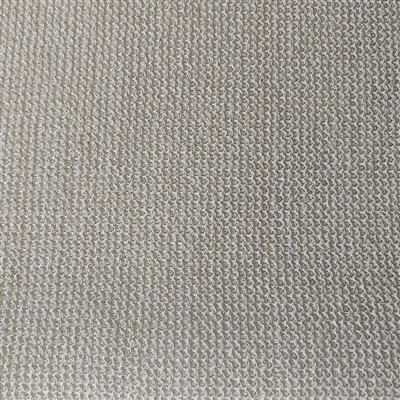
Another study from a group of material scientists looked specifically at the effect of ice formation on various outdoor fabrics. It found that fabrics with a mesh structure, like Textilene, were less likely to be damaged by ice compared to solid – weave fabrics due to their superior breathability.
PP Woven Cloth As a Textilene fabric supplier, we are committed to providing high – quality products that can withstand a variety of environmental conditions. If you’re in the market for Textilene fabrics for your outdoor projects, whether it’s for furniture, awnings, or other applications, we’d love to discuss your needs. Our team of experts can provide you with detailed product information, samples, and competitive pricing. Reach out to us to start a conversation about your Textilene fabric requirements.
References
- Textile Research Institute. "Mechanical Properties of Polyester Fabrics at Different Temperatures."
- Group of Material Scientists. "Effect of Ice Formation on Outdoor Fabrics."
Nanping Kingway New Material Co., Ltd.
As one of the most professional textilene fabrics manufacturers and suppliers in China, we also support customized service. With abundant experience, we warmly welcome you to wholesale durable textilene fabrics in stock here from our factory. If you have any enquiry about pricelist, please feel free to email us.
Address: No. 10, Chengnan Branch Road, Chengjiao Town, Nanping, Fujian, China.
E-mail: npjwxcl@aliyun.com
WebSite: https://www.suernew.com/
