Hey there! I’m a supplier of other attachments, and I know how crucial it is to save space, especially when dealing with a ton of these things. In this blog, I’ll share some tips on how to compress other attachments to save space. Other Attachments

Why Compress Other Attachments?
First off, let’s talk about why you should even bother compressing other attachments. Space is a precious commodity, whether you’re using a personal computer or a business server. By compressing these attachments, you can free up a significant amount of storage space. This not only helps you keep your device running smoothly but also allows you to store more important data.
Another reason is that compressed files are much easier to transfer. If you’re sharing other attachments with colleagues or clients, sending a compressed file can save a lot of time and bandwidth. It’s also more convenient for the recipient, as they can quickly download and decompress the file.
Methods of Compressing Other Attachments
1. Using Compression Software
One of the most common ways to compress other attachments is by using compression software. There are several great options out there, like WinRAR, 7-Zip, and WinZip. These programs are easy to use and can compress files to a fraction of their original size.
To use compression software, simply right-click on the file or folder you want to compress and select the option to create a compressed archive. You can choose different compression levels depending on how much space you want to save. Higher compression levels will result in smaller file sizes but may take longer to compress.
For example, if you have a large PDF file that you want to compress, you can use WinRAR to create a compressed archive. Just select the PDF file, right-click, and choose "Add to archive." Then, select the compression level you want and click "OK." WinRAR will do the rest, and you’ll end up with a much smaller file.
2. Converting File Formats
Another way to save space is by converting file formats. Some file formats are more efficient than others when it comes to storage. For example, JPEG is a widely used image format that offers good compression without sacrificing too much quality. If you have a lot of high-resolution images in a different format, converting them to JPEG can save a significant amount of space.
There are many tools available for converting file formats. For images, you can use software like Adobe Photoshop or online converters like Convertio. For documents, you can use Microsoft Word to save files in a more compressed format, such as PDF.
Let’s say you have a collection of PNG images that are taking up a lot of space. You can use an online converter to convert them to JPEG. Simply upload the PNG files to the converter, select the JPEG format, and click "Convert." The converter will do the rest, and you’ll end up with smaller JPEG files.
3. Removing Unnecessary Data
Sometimes, attachments contain a lot of unnecessary data that can be removed to save space. For example, if you have a PDF file that contains embedded fonts or images that you don’t need, you can remove them to reduce the file size.
To remove unnecessary data from a PDF file, you can use software like Adobe Acrobat Pro. Open the PDF file in Adobe Acrobat Pro, go to the "File" menu, and select "Save As Other" > "Reduced Size PDF." Adobe Acrobat Pro will analyze the file and remove any unnecessary data, resulting in a smaller file size.
Similarly, if you have a Word document that contains a lot of formatting and styles that you don’t need, you can remove them to save space. Simply select the text in the document, go to the "Home" tab, and click on the "Clear All Formatting" button. This will remove all the formatting and styles from the text, resulting in a smaller file size.
Tips for Effective Compression
1. Organize Your Attachments
Before you start compressing your other attachments, it’s a good idea to organize them. Create folders for different types of attachments and move them into the appropriate folders. This will make it easier to find the attachments you need and also make the compression process more efficient.
For example, you can create folders for images, documents, and videos. Then, move all your images into the "Images" folder, all your documents into the "Documents" folder, and all your videos into the "Videos" folder. This way, you can compress each folder separately and keep your attachments organized.
2. Use Password Protection
If you’re compressing sensitive attachments, it’s a good idea to use password protection. This will ensure that only authorized users can access the compressed files. Most compression software allows you to set a password when creating a compressed archive.
To set a password for a compressed archive, simply select the option to add a password when creating the archive. Then, enter the password you want to use and confirm it. Make sure to choose a strong password that is difficult to guess.
3. Test the Compressed Files
After you’ve compressed your other attachments, it’s a good idea to test the compressed files to make sure they can be decompressed correctly. Try opening the compressed files on a different computer or device to make sure they work.
If you encounter any problems with the compressed files, try compressing them again using a different compression level or method. You can also try using a different compression software to see if that makes a difference.
Conclusion
Compressing other attachments is a great way to save space and make it easier to transfer files. By using compression software, converting file formats, and removing unnecessary data, you can significantly reduce the size of your attachments. Remember to organize your attachments, use password protection, and test the compressed files to ensure they work correctly.
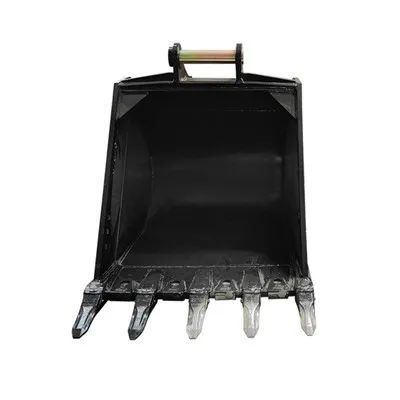
If you’re interested in purchasing other attachments from us, feel free to reach out and start a procurement discussion. We’re always happy to talk about how our products can meet your needs.
Hydraulic Compactor References
- WinRAR official documentation
- 7-Zip official documentation
- WinZip official documentation
- Adobe Acrobat Pro user guide
- Convertio online converter documentation
Hope Precision Machinery Co., Ltd.
As one of the most professional attachments manufacturers and suppliers in China, we also support customized service. Please feel free to buy high quality attachments for sale here from our factory. For more information, contact us now.
Address: No.8 Shenzhen Street, Development Zone, Yantai,Shandong ,China
E-mail: lulu@hope-breaker.com
WebSite: https://www.hopeequip.com/
