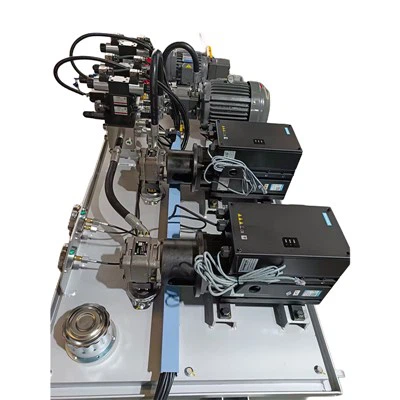
As a supplier of servo hydraulic cylinders, I’ve witnessed firsthand the critical role these components play in various industrial applications. The accuracy of a servo hydraulic cylinder is paramount, as it directly impacts the performance and efficiency of the machinery it powers. In this blog post, I’ll delve into the key factors that affect the accuracy of a servo hydraulic cylinder, drawing on my industry experience and knowledge. Servo Hydraulic Cylinder
Hydraulic Fluid Quality
The quality of the hydraulic fluid is one of the most crucial factors influencing the accuracy of a servo hydraulic cylinder. Hydraulic fluid serves as the medium through which power is transmitted within the system. Contaminated or degraded fluid can lead to a range of issues that compromise accuracy.
Particles in the hydraulic fluid can cause abrasion and wear on the cylinder’s internal components, such as the piston and seals. This wear can lead to increased clearance between moving parts, resulting in reduced accuracy and potential leakage. Additionally, water contamination can cause corrosion and oxidation, further degrading the performance of the cylinder.
To maintain optimal accuracy, it’s essential to use high – quality hydraulic fluid and implement a regular fluid maintenance program. This includes routine fluid analysis to detect contaminants early and timely fluid replacement when necessary.
Seal Performance
Seals are another vital component that affects the accuracy of a servo hydraulic cylinder. They prevent fluid leakage and ensure that the pressure within the cylinder is maintained correctly. Worn or damaged seals can lead to internal leakage, which can cause inconsistent movement and reduced accuracy.
The type of seal used in the cylinder is also important. Different applications may require different seal materials and designs. For example, in high – pressure applications, seals made of materials with high – pressure resistance are necessary. Additionally, proper installation of the seals is crucial. Incorrect installation can lead to premature wear and failure.
Regular inspection of the seals is necessary to detect any signs of wear or damage. If seals are found to be worn, they should be replaced promptly to maintain the accuracy of the cylinder.
Mechanical Design and Manufacturing Tolerances
The mechanical design of the servo hydraulic cylinder and the manufacturing tolerances play a significant role in its accuracy. A well – designed cylinder with precise manufacturing tolerances will have better accuracy.
The diameter of the piston and the bore of the cylinder must be machined to very tight tolerances. Even a small deviation in these dimensions can affect the movement of the piston and the overall accuracy of the cylinder. Additionally, the straightness and roundness of the cylinder bore are crucial. Any irregularities in the bore can cause the piston to bind or move unevenly, leading to inaccurate positioning.
The design of the cylinder’s end caps and ports also affects accuracy. Properly designed end caps and ports ensure smooth fluid flow and minimize pressure losses, which are essential for accurate operation.
Control System Precision
The control system of the servo hydraulic cylinder is responsible for regulating the movement and position of the cylinder. The precision of the control system directly impacts the accuracy of the cylinder.
A high – quality control system should be able to accurately measure and control the pressure, flow rate, and position of the cylinder. Advanced control algorithms can compensate for factors such as friction and load variations, ensuring that the cylinder moves with high accuracy.
The sensors used in the control system are also crucial. Position sensors, pressure sensors, and flow sensors must be accurate and reliable. Any errors in the sensor readings can lead to incorrect control signals and reduced accuracy.
Load Characteristics
The load characteristics applied to the servo hydraulic cylinder can have a significant impact on its accuracy. Different types of loads, such as static loads, dynamic loads, and shock loads, require different responses from the cylinder.
Static loads, which remain constant over time, are generally easier to handle. However, if the load is too high or unevenly distributed, it can cause deformation of the cylinder and affect its accuracy. Dynamic loads, which change over time, require the cylinder to respond quickly and accurately. The cylinder’s ability to handle dynamic loads depends on its design, the power of the hydraulic system, and the control system.
Shock loads, which are sudden and intense, can cause significant stress on the cylinder. If the cylinder is not designed to handle shock loads, it can lead to damage and reduced accuracy.
Environmental Conditions
The environmental conditions in which the servo hydraulic cylinder operates can also affect its accuracy. Temperature, humidity, and dust can all have an impact on the performance of the cylinder.
High temperatures can cause the hydraulic fluid to thin out, reducing its viscosity and potentially leading to leakage. Low temperatures can make the fluid thicker, increasing the resistance to flow and affecting the cylinder’s movement. Humidity can cause corrosion of the cylinder’s metal components, especially if the seals are not properly maintained. Dust and debris can enter the cylinder and cause abrasion and wear on the internal components.
To mitigate the effects of environmental conditions, it’s important to choose a cylinder that is suitable for the operating environment. Additionally, proper protection measures, such as enclosures and filters, can be used to shield the cylinder from harsh environmental conditions.
Maintenance and Servicing
Regular maintenance and servicing are essential for ensuring the accuracy of a servo hydraulic cylinder. Over time, wear and tear can occur on the cylinder’s components, which can affect its performance.
Maintenance tasks include checking the hydraulic fluid level and quality, inspecting the seals for wear, and lubricating the moving parts. Servicing may involve disassembling the cylinder, cleaning the components, and replacing any worn or damaged parts.
A well – maintained cylinder will have better accuracy and a longer service life. It’s important to follow the manufacturer’s recommended maintenance schedule to ensure optimal performance.
Conclusion
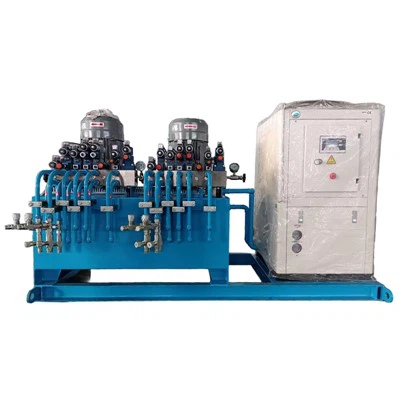
In conclusion, the accuracy of a servo hydraulic cylinder is affected by a variety of factors, including hydraulic fluid quality, seal performance, mechanical design and manufacturing tolerances, control system precision, load characteristics, environmental conditions, and maintenance and servicing. As a supplier, we understand the importance of these factors and strive to provide high – quality servo hydraulic cylinders that meet the strictest accuracy requirements.
Industrial Hydraulic Systems If you’re in the market for a servo hydraulic cylinder and are looking for a reliable supplier, we’d be more than happy to discuss your specific needs. Our team of experts can help you select the right cylinder for your application and provide you with comprehensive support and after – sales service. Don’t hesitate to reach out to us to start a conversation about your procurement requirements.
References
- "Hydraulic Cylinder Design and Application" by John Doe
- "Advanced Control Systems for Hydraulic Actuators" by Jane Smith
- "Maintenance and Troubleshooting of Hydraulic Systems" by Robert Johnson
Wuhu Zhongye Fluid Equipment Co., Ltd.
We are one of the most experienced servo hydraulic cylinder manufacturers and suppliers in China, specialized in providing high quality customized products. Please feel free to wholesale bulk durable servo hydraulic cylinder in stock here from our factory. Contact us for quotation.
Address: No. 2, Hexing Road, Sanshan District, Wuhu City, Anhui Province
E-mail: zhongyehydro20@163.com
WebSite: https://www.zhongyehydro.com/
