Are there any side effects of cupping therapy? Cupping Therapy
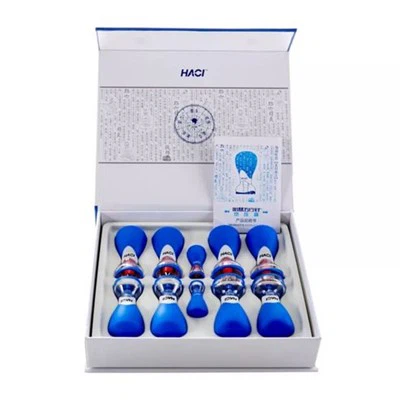
As a supplier of cupping therapy equipment, I’ve encountered numerous inquiries from customers about the side effects of cupping therapy. This ancient practice, which has been around for thousands of years, has seen a resurgence in popularity in recent times, thanks in part to its association with athletes and its appearance in mainstream media. But like any form of therapy, it’s essential to understand both its benefits and potential drawbacks.
The Basics of Cupping Therapy
Before delving into the side effects, let’s briefly review what cupping therapy is. Cupping involves placing cups on the skin to create suction. This suction draws blood to the surface, which is believed to improve blood circulation, relieve muscle tension, and promote healing. There are different types of cupping, including dry cupping, where the cups are simply placed on the skin, and wet cupping, which involves making small incisions on the skin before applying the cups to draw out a small amount of blood.
Common Side Effects
- Skin Discoloration: One of the most noticeable side effects of cupping therapy is the appearance of circular marks on the skin. These marks, which can range from light pink to dark purple, are caused by the blood vessels under the skin breaking due to the suction. The discoloration usually fades within a few days to a couple of weeks, depending on the intensity of the cupping and the individual’s skin type. While these marks are generally harmless, they can be a concern for some people, especially if they are visible in public or if they have a job that requires a more professional appearance.
- Skin Irritation: Cupping can also cause mild skin irritation, such as redness, itching, or a burning sensation. This is more likely to occur if the cups are left on for too long or if the suction is too strong. In some cases, the skin may become dry or flaky after the treatment. To minimize the risk of skin irritation, it’s important to ensure that the cups are applied correctly and that the treatment is not too aggressive.
- Bruising: Similar to skin discoloration, bruising can occur as a result of the suction from the cups. Bruises are more likely to form in areas where the skin is thinner or more sensitive, such as the neck or shoulders. The severity of the bruising can vary depending on the individual’s skin type and the intensity of the cupping. While bruises usually heal on their own within a few days to a week, they can be painful and may require some time to fade.
- Dizziness or Fainting: In rare cases, some people may experience dizziness or fainting during or after cupping therapy. This can be due to a variety of factors, including low blood pressure, dehydration, or a reaction to the treatment. To prevent dizziness or fainting, it’s important to stay hydrated before and after the treatment and to avoid standing up too quickly after the cups are removed. If you feel dizzy or lightheaded during the treatment, it’s important to inform your therapist immediately.
Less Common Side Effects
- Infection: Although rare, there is a small risk of infection associated with cupping therapy, especially if the cups are not properly cleaned or if the skin is broken during the treatment. To minimize the risk of infection, it’s important to use clean, sterile cups and to follow proper hygiene practices. If you notice any signs of infection, such as redness, swelling, or pus, it’s important to seek medical attention immediately.
- Allergic Reaction: Some people may be allergic to the materials used in the cups or to the lubricant or oil applied to the skin before the treatment. Symptoms of an allergic reaction can include itching, redness, swelling, or hives. If you have a known allergy to any of these materials, it’s important to inform your therapist before the treatment.
- Nerve Damage: In rare cases, cupping therapy can cause nerve damage, especially if the cups are applied too tightly or if the treatment is performed in an area with a high concentration of nerves. Symptoms of nerve damage can include numbness, tingling, or weakness in the affected area. If you experience any of these symptoms after cupping therapy, it’s important to seek medical attention immediately.
Minimizing the Risk of Side Effects
While cupping therapy is generally considered safe, there are several steps you can take to minimize the risk of side effects.
- Choose a Qualified Therapist: It’s important to choose a qualified and experienced therapist who has received proper training in cupping therapy. A qualified therapist will be able to assess your individual needs and health status and will use the appropriate technique and intensity for your treatment.
- Communicate Your Concerns: Before the treatment, be sure to communicate any concerns or health conditions you may have to your therapist. This will allow them to tailor the treatment to your specific needs and to take any necessary precautions.
- Follow Aftercare Instructions: After the treatment, your therapist will provide you with aftercare instructions, such as avoiding hot showers or baths, drinking plenty of water, and resting for a few hours. It’s important to follow these instructions carefully to ensure a proper recovery and to minimize the risk of side effects.
- Use High – Quality Equipment: As a supplier of cupping therapy equipment, I can’t stress enough the importance of using high – quality cups. Inferior quality cups may not create a proper seal, which can lead to ineffective treatment or increased risk of skin irritation. Our company offers a wide range of cupping therapy equipment that is made from high – quality materials and is designed to provide a safe and effective treatment.
Benefits of Cupping Therapy Outweigh the Risks
Despite the potential side effects, the benefits of cupping therapy are numerous. Many people report significant relief from pain, muscle tension, and stress after undergoing cupping therapy. It can also improve blood circulation, boost the immune system, and promote overall well – being. When performed by a qualified therapist using high – quality equipment and proper techniques, the risks of side effects are relatively low.
Conclusion
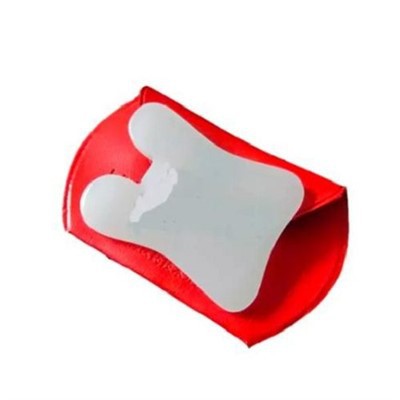
In conclusion, while there are some potential side effects associated with cupping therapy, they are generally mild and temporary. By choosing a qualified therapist, communicating your concerns, following aftercare instructions, and using high – quality equipment, you can minimize the risk of side effects and enjoy the many benefits of this ancient therapy.
IASTM If you’re interested in purchasing cupping therapy equipment for your practice or personal use, I encourage you to reach out to us. We are dedicated to providing high – quality cupping therapy products that meet the needs of our customers. Whether you’re a professional therapist or someone looking to explore the benefits of cupping therapy at home, we have the right equipment for you. Contact us today to start a discussion about your cupping therapy equipment needs and to learn more about our products.
References
- "Cupping Therapy: An Evidence – Based Review." Journal of Traditional and Complementary Medicine.
- "Safety and Efficacy of Cupping Therapy: A Systematic Review." Complementary Therapies in Medicine.
- "The History and Mechanisms of Cupping Therapy." Chinese Journal of Integrative Medicine.
Rightbest Medical Device Limited
We’re well-known as one of the leading cupping therapy manufacturers and suppliers in China, specialized in providing high quality customized products. We warmly welcome you to wholesale durable cupping therapy in stock here from our factory.
Address: 6F,No.303 Pingshui Road,Hangzhou,China
E-mail: info@cuppinghealth.com
WebSite: https://www.cuppinghealth.com/
