Power transmission cables are the lifelines of modern electricity infrastructure, responsible for carrying electrical energy from power generation sources to end – users. As a power transmission cable supplier, I’ve witnessed firsthand the various faults that can occur in these critical components. In this blog, I’ll delve into the common faults in power transmission cables, their causes, and the potential impacts they can have on the electrical grid. Power Transmission Cable

1. Insulation Failure
Insulation failure is one of the most prevalent issues in power transmission cables. The insulation material in cables serves to prevent the flow of current outside the conductor, ensuring the safe and efficient transmission of electricity. Over time, however, the insulation can degrade due to several factors.
1.1 Thermal Degradation
High – temperature operation is a significant cause of insulation degradation. When a cable is overloaded, the current flowing through the conductor generates heat. If the heat is not dissipated properly, it can cause the insulation material to break down. For example, in areas with high ambient temperatures or in cables installed in confined spaces, the temperature can rise significantly. PVC (Polyvinyl Chloride) insulation, which is commonly used in some low – voltage cables, can start to soften and lose its insulating properties at relatively high temperatures.
1.2 Chemical Degradation
Exposure to chemicals can also damage cable insulation. In industrial areas, cables may be exposed to corrosive substances such as acids, alkalis, and solvents. These chemicals can react with the insulation material, causing it to deteriorate. For instance, in a chemical plant, cables installed in the vicinity of chemical storage tanks may be at risk of chemical attack. Additionally, environmental factors like ozone and ultraviolet radiation can also cause insulation degradation, especially for cables installed outdoors.
1.3 Mechanical Damage
Physical damage to the cable can compromise the insulation. This can occur during installation, maintenance, or due to external factors. For example, if a cable is accidentally punctured by construction equipment during a building project, the insulation may be breached. Similarly, rodents or other animals may chew on the cable, causing damage to the insulation layer. Once the insulation is damaged, it can lead to short – circuits and electrical failures.
2. Conductor Issues
The conductor is the core part of a power transmission cable that carries the electrical current. Several problems can occur with the conductor, affecting the performance of the cable.
2.1 Corrosion
Corrosion of the conductor is a common problem, especially in cables installed in humid or corrosive environments. When the conductor is exposed to moisture and oxygen, a chemical reaction occurs, leading to the formation of rust or other corrosion products. For example, in coastal areas, the salt – laden air can accelerate the corrosion process. Corrosion reduces the cross – sectional area of the conductor, increasing its resistance. As a result, more energy is dissipated as heat, leading to reduced efficiency and potential overheating of the cable.
2.2 Overloading
Overloading occurs when the current flowing through the cable exceeds its rated capacity. This can happen due to an increase in electrical demand or improper sizing of the cable during installation. When a cable is overloaded, the conductor heats up, which can cause thermal expansion and mechanical stress. Over time, this can lead to conductor breakage or insulation damage. For instance, in a commercial building where new electrical equipment is added without proper consideration of the existing cable capacity, overloading can occur.
2.3 Poor Connection
A poor connection at the cable joints or terminals can cause significant problems. Loose connections increase the resistance at the joint, resulting in heat generation. This heat can further damage the insulation and the conductor, leading to a potential failure. In some cases, arcing may occur at the poor connection, which can cause fire hazards. For example, if the bolts at a cable terminal are not tightened properly, it can lead to a poor electrical connection.
3. Water Ingress
Water ingress is a serious issue in power transmission cables. Water can enter the cable through various means, such as damaged sheaths, improper sealing at joints, or condensation.
3.1 Impact on Insulation
When water enters the cable, it can significantly reduce the insulation resistance. Water is a good conductor of electricity, and its presence in the insulation can create a path for leakage current. This can lead to partial discharges within the cable, which can further damage the insulation over time. For example, in underground cables, if the cable sheath is damaged and water seeps in, the insulation performance can be severely affected.
3.2 Corrosion and Oxidation
Water can also cause corrosion and oxidation of the conductor and other metal components in the cable. The presence of water accelerates the chemical reactions that lead to rust formation. This not only affects the electrical performance of the cable but also weakens the mechanical structure of the conductor.
4. Aging
All power transmission cables have a limited lifespan, and aging is an inevitable process. Over time, the materials in the cable deteriorate, leading to a decrease in performance.
4.1 Material Fatigue
The continuous expansion and contraction of the cable due to temperature changes and mechanical stress can cause material fatigue. The insulation and the conductor can develop cracks and other forms of damage over time. For example, in overhead cables, the constant movement due to wind and temperature variations can lead to fatigue in the conductor and the insulation.
4.2 Loss of Flexibility
As cables age, they tend to lose their flexibility. This can make them more prone to mechanical damage during installation or maintenance. For instance, an old cable may be more likely to break when bent or twisted compared to a new cable.
5. Impact of Faults on the Electrical Grid
The faults in power transmission cables can have far – reaching consequences for the electrical grid.
5.1 Power Outages
Insulation failure, conductor issues, or water ingress can lead to short – circuits or open – circuits in the cable. These faults can cause power outages, disrupting the supply of electricity to homes, businesses, and industries. A power outage can have a significant economic impact, especially in areas where continuous power supply is critical, such as hospitals and data centers.
5.2 Equipment Damage
Faults in power transmission cables can also damage other electrical equipment connected to the grid. For example, a short – circuit in a cable can cause over – current in the connected transformers and switchgear, leading to their damage. This can result in additional repair costs and downtime for the electrical system.
5.3 Safety Risks
Faulty power transmission cables pose safety risks to both the public and the maintenance personnel. Electrical shocks, fires, and explosions can occur due to cable faults. For example, arcing at a poor connection or a short – circuit can cause a fire, endangering the lives of people in the vicinity.
How to Address These Faults
As a power transmission cable supplier, we offer a range of solutions to address these common faults. We provide high – quality cables with advanced insulation materials that are resistant to thermal, chemical, and mechanical damage. Our cables are designed to withstand harsh environmental conditions, reducing the risk of water ingress and corrosion.
We also offer installation and maintenance services to ensure that the cables are installed correctly and regularly inspected. Our team of experts can perform cable testing and diagnostic procedures to detect potential faults early and take appropriate measures to prevent failures.
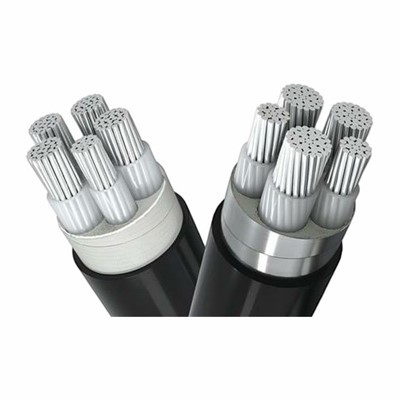
If you are facing issues with power transmission cables or are planning a new electrical project, we are here to help. Our experienced team can provide you with customized solutions based on your specific requirements. We are committed to delivering reliable and efficient power transmission cables to ensure the smooth operation of your electrical system.
Rubber Sheathed Cable Contact us to discuss your cable needs and start a procurement process. Our team of professionals will be happy to assist you in finding the best solutions for your power transmission requirements.
References
- Blackburn, J. L. (2007). Protective Relaying: Principles and Applications. CRC Press.
- Grover, A. (2007). Electric Power Systems. Tata McGraw – Hill Education.
- Rogers, R. J. (2018). Electrical Insulation for Rotating Machines: Design, Evaluation, Aging, Testing, and Repair. Wiley.
Hebei Hualun Cable Co., Ltd.
As one of the leading power transmission cable manufacturers and suppliers in China, we offer a wide range of products with superior quality. We warmly welcome you to buy cheap power transmission cable for sale here from our factory. For price consultation, contact us.
Address: XINGBIEYING INDUSTRIAL ZONE, HEBEI PROVINCE CHINA
E-mail: 850078115@qq.com
WebSite: https://www.hualuncables.com/
